


Grade is not a marketing term. It is the risk level the siren has been tested for, and it even affects the security of your home.
When you read that a siren is "Grade 3", it refers to a specific European standard: EN 50131, which sets the requirements for intruder alarm systems. The standard divides installations into four security grades, depending on how organised and well equipped we assume the person trying to defeat the system will be.
The four grades in plain words
| Grade | Assumed intruder | Typical use |
|---|---|---|
| Grade 1 | Someone with minimal knowledge of security systems and simple tools | Very low-risk premises |
| Grade 2 | Someone with limited knowledge and common tools | Many homes and small shops |
| Grade 3 | Someone who knows how alarms work and has specialist tools | Detached houses, businesses, premises with valuables |
| Grade 4 | An organised group with resources and a plan | Banks, jewellers, critical infrastructure |
The grade isn't just a label. To get Grade 3, a product must withstand specific attempts to defeat it, have protection against opening and removal (tamper), monitor its power supply and report when something is wrong.
What a Grade 3 siren gives you in practice
- It's hard to silence. If someone tries to open it, pull it off the wall or cut the wires, it sounds.
- It has its own power. With an internal battery it keeps working even if power from the control panel is cut.
- It's built to last. A tough polycarbonate housing and, on most models, a metal inner cover.
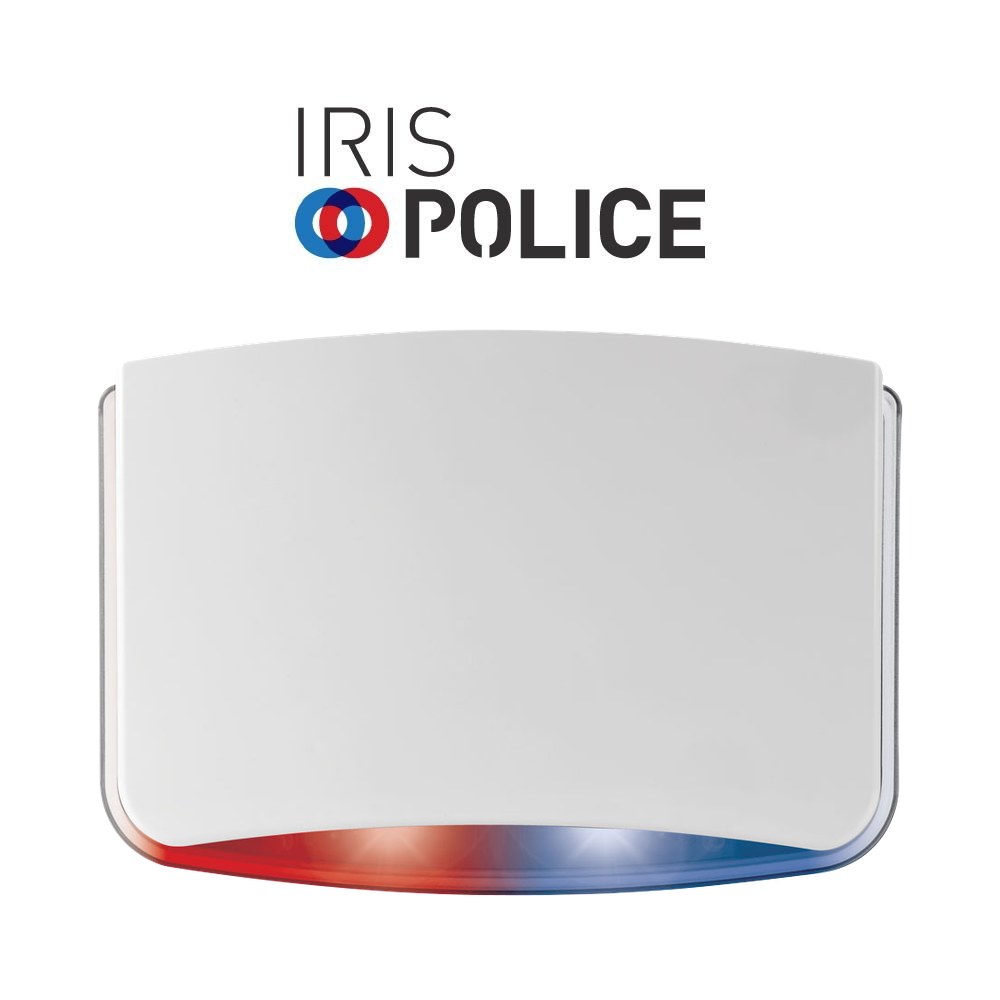
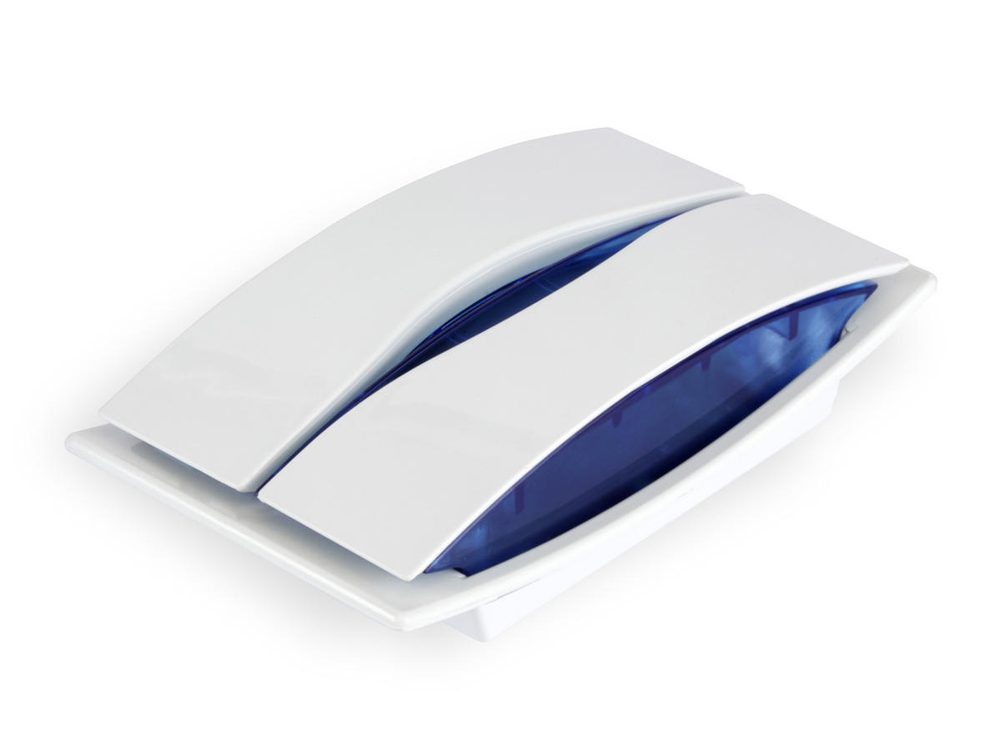
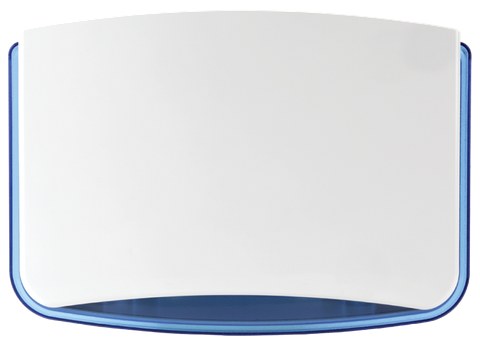
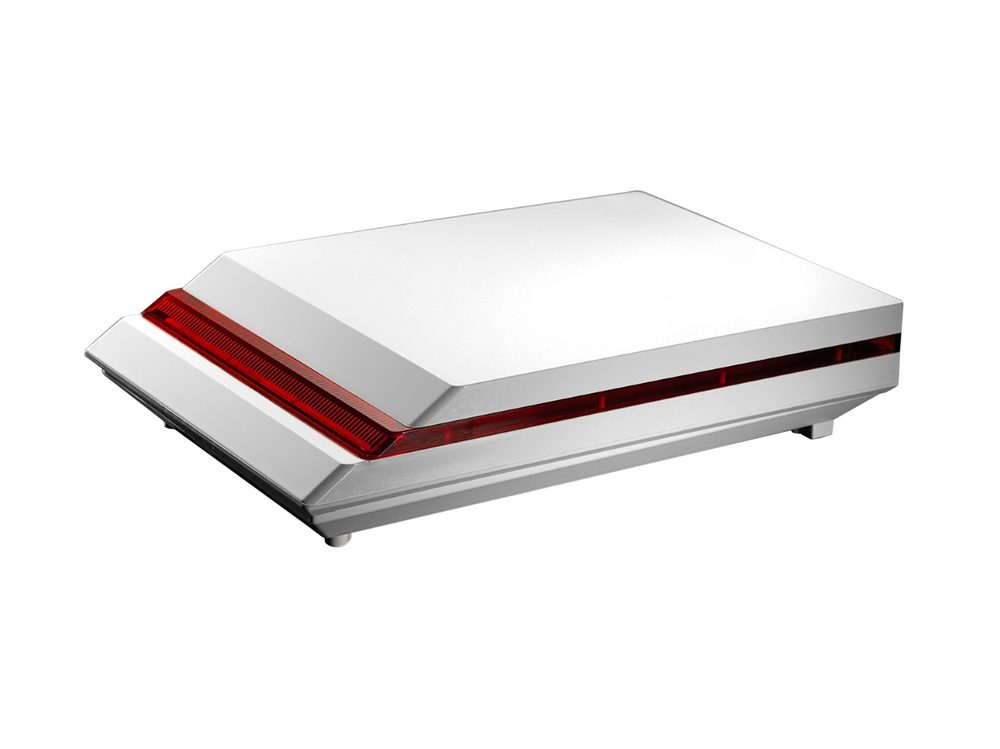
The IRIS and DIONE outdoor sirens are Grade 3 certified. IRIS FSD reaches Grade 4, with a foam detector and a three-axis tilt sensor that detects attempts to drill or rotate it.
In brief
- Grade describes how hard it is to defeat a product, according to EN 50131.
- Grade 3 is the level that suits most houses and businesses. For higher-risk premises there is Grade 4, such as the IRIS FSD.