
Certification, loudness, vandal protection, colour. Five questions worth asking before a siren goes on your wall for years to come.
The outdoor siren is the only part of the alarm that passers-by can see. It does two jobs: it deters before anything happens and it alerts loudly when something does. These are the questions worth asking.
1. Is it certified?
Ask for EN 50131 certification, ideally Grade 3 or, for higher-risk premises, Grade 4. It means the siren has been tested against attempts to open it, remove it and disable it.
2. Is it self-powered?
A self-powered siren has its own battery and sounds even if the wires connecting it to the control panel are cut. All IRIS and DIONE sirens are self-powered.
3. How loud is it?
Loudness is measured in dB at one metre. The IRIS and DIONE reach 122 dB. Roughly every 10 dB doubles how loud it sounds, so the difference from a 105 dB siren is very large.
4. Is it vandal-resistant?
An experienced burglar may try to fill the siren with foam or drill through it. The IRIS FSD has a foam detector and a three-axis tilt sensor that sound instantly, and it is certified Grade 4, the highest grade in the standard. For shops and isolated detached houses, it's worth it.
5. Does it suit your façade?
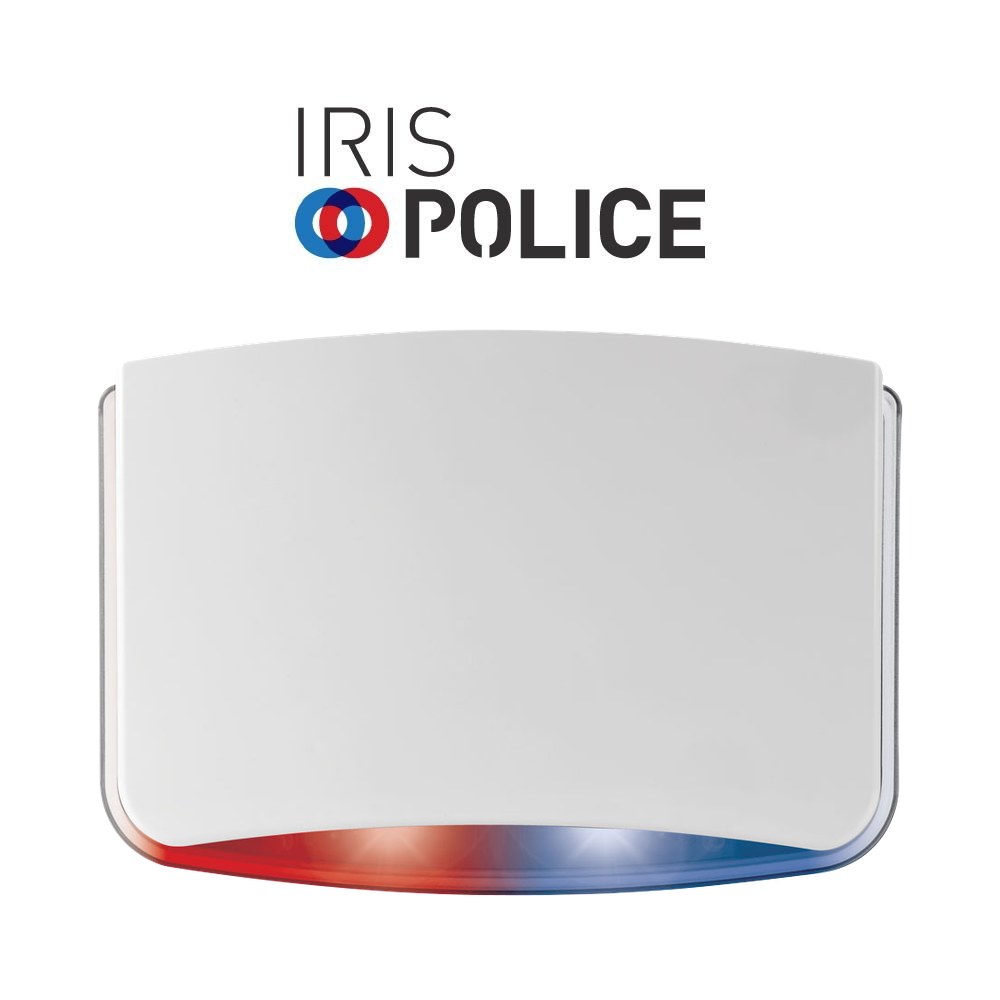
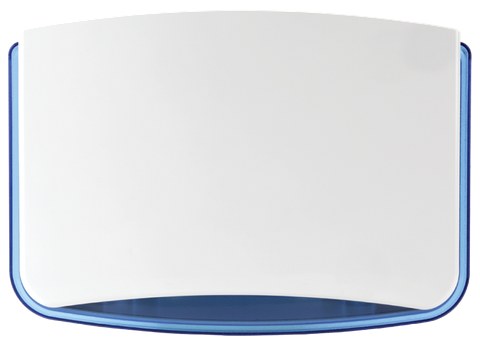
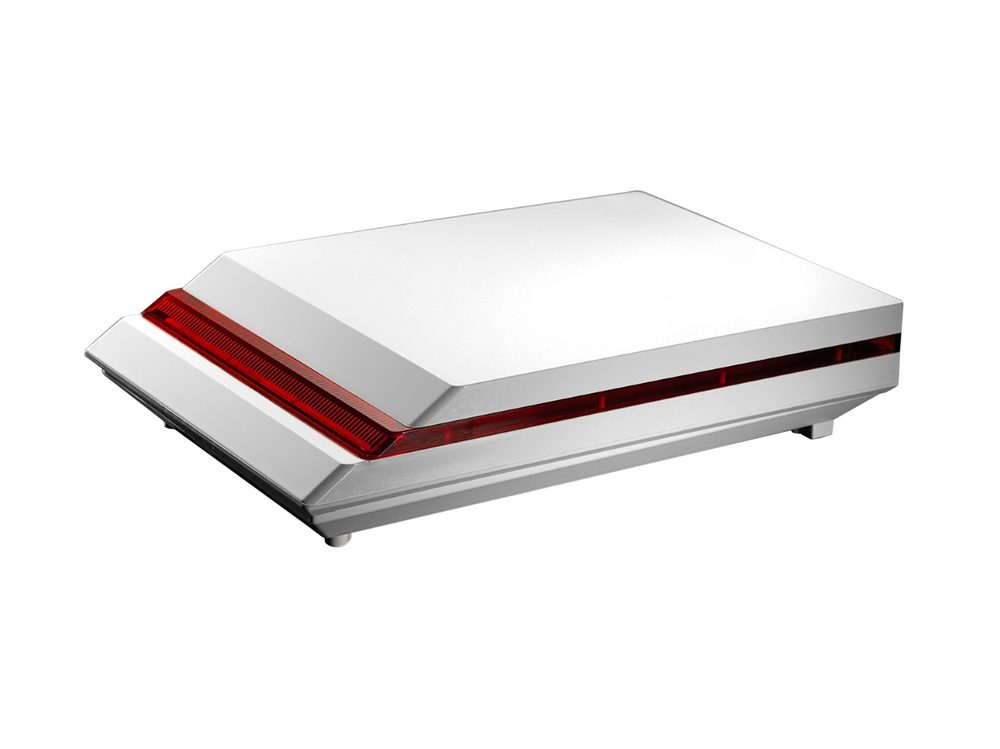
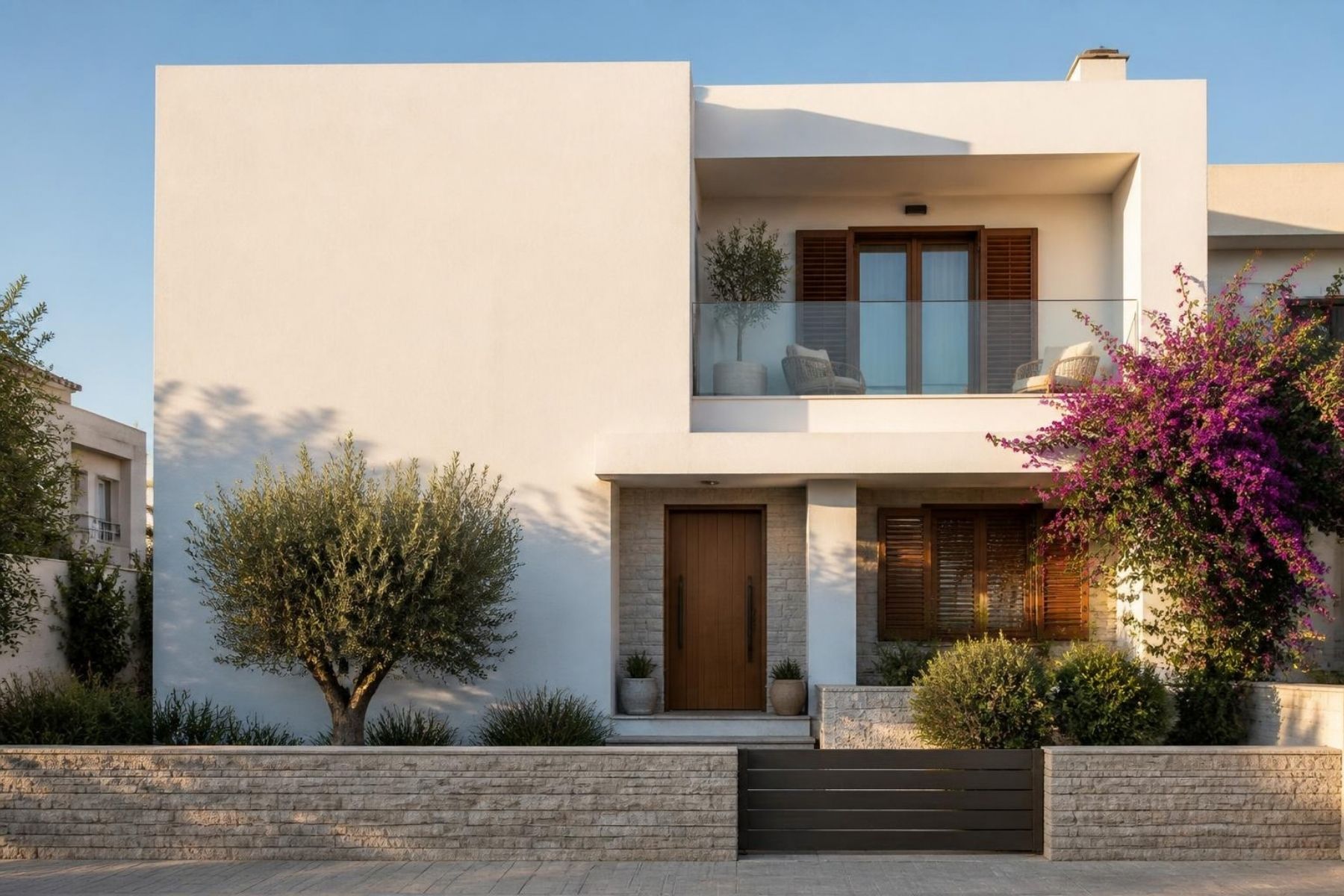
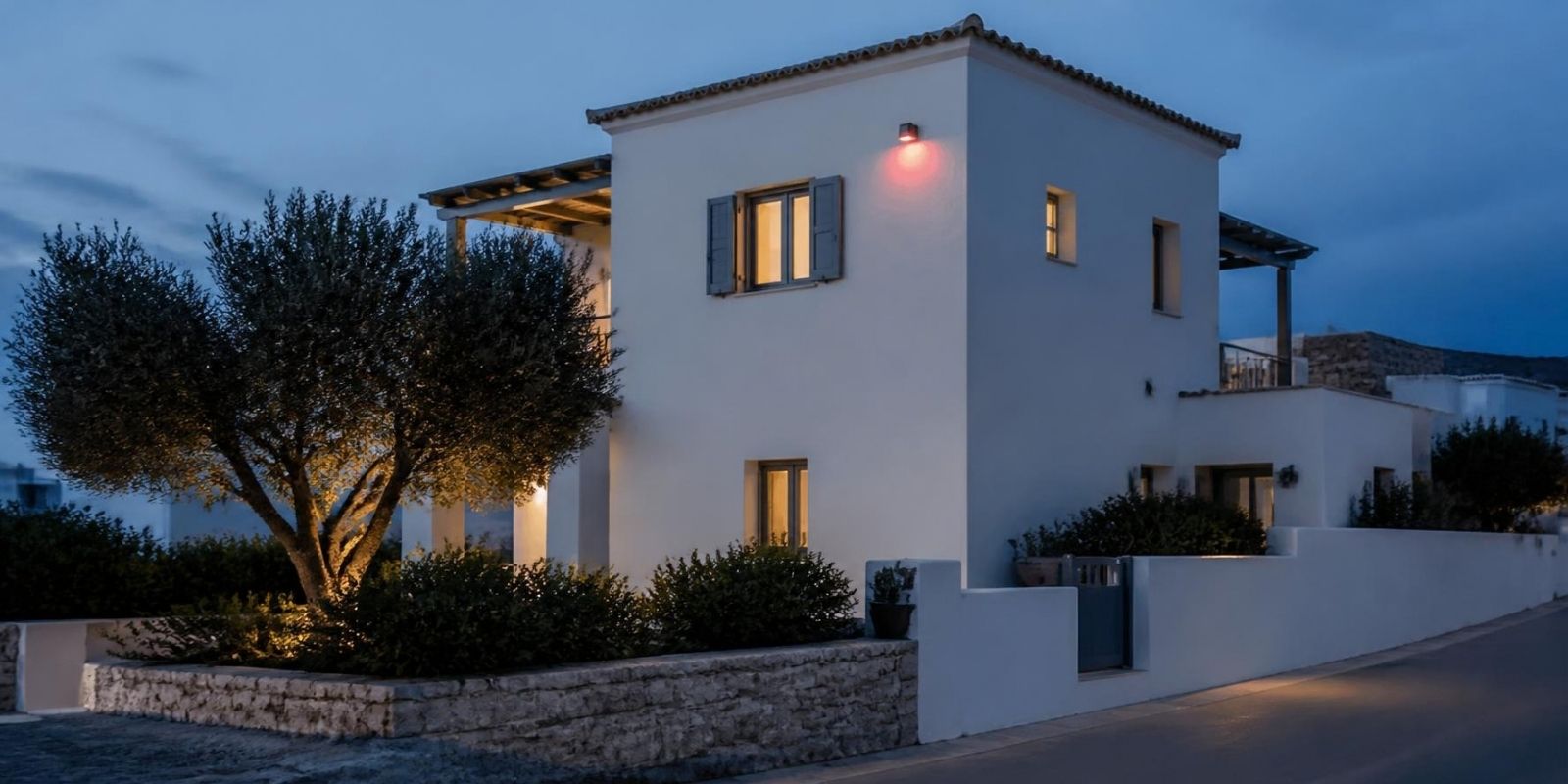
Your siren will be there for many years. Sigma sirens come with a white, grey or carbon body, and a blue, red, green, white or alternating red and blue flash. With the “The siren on your home” tool, you upload a photo of your façade and try out combinations before you decide.
IRIS or DIONE?
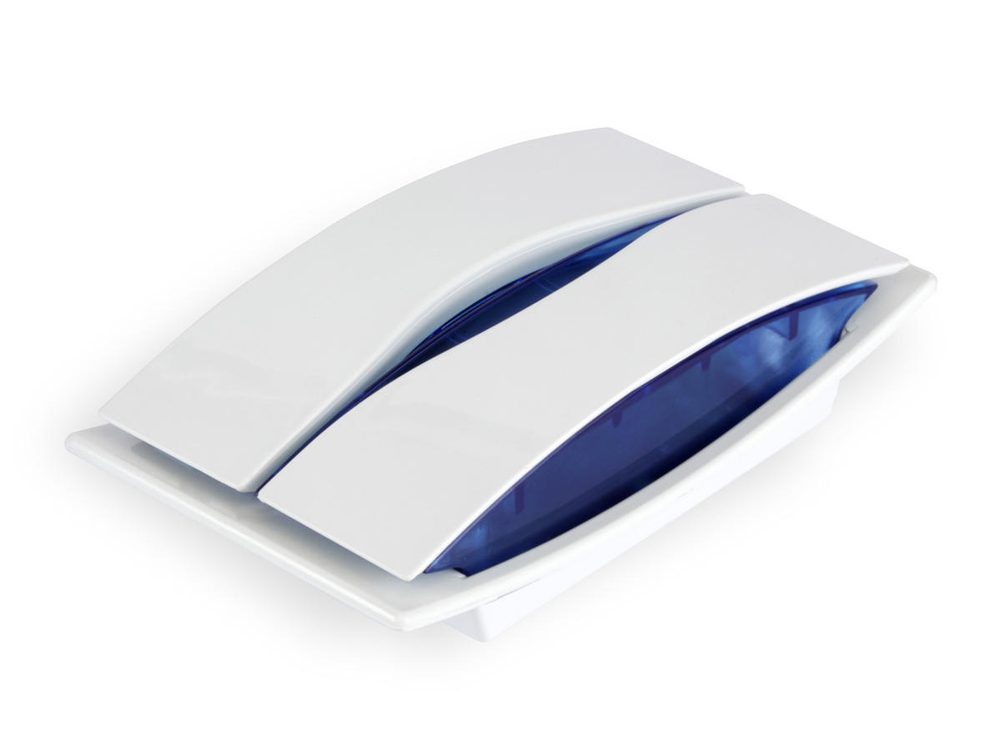
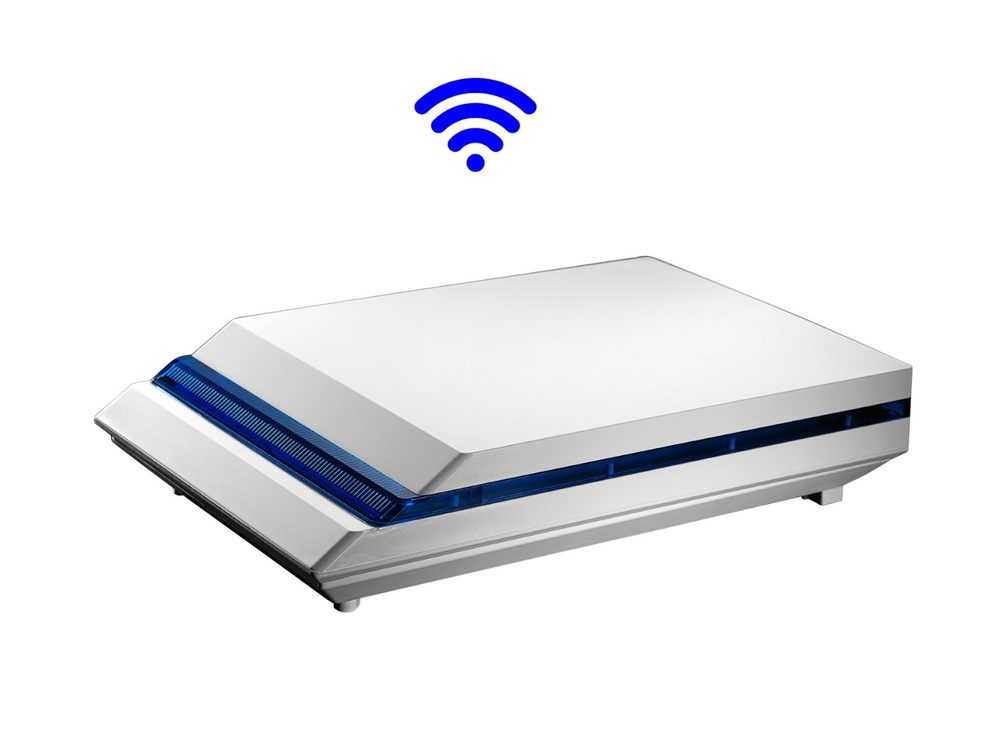
Both are Grade 3 and 122 dB, and IRIS also comes in an FSD version with Grade 4. IRIS has a curved, front-facing design with an illuminated outline and more versions (BASIC, LITE, FSD, POLICE, CARBON). DIONE has more geometric, minimal lines and also comes in a wireless version. The choice is mainly about looks and whether there is a cable to the façade.